
How Long Does Dental Bonding Last? A Complete Guide
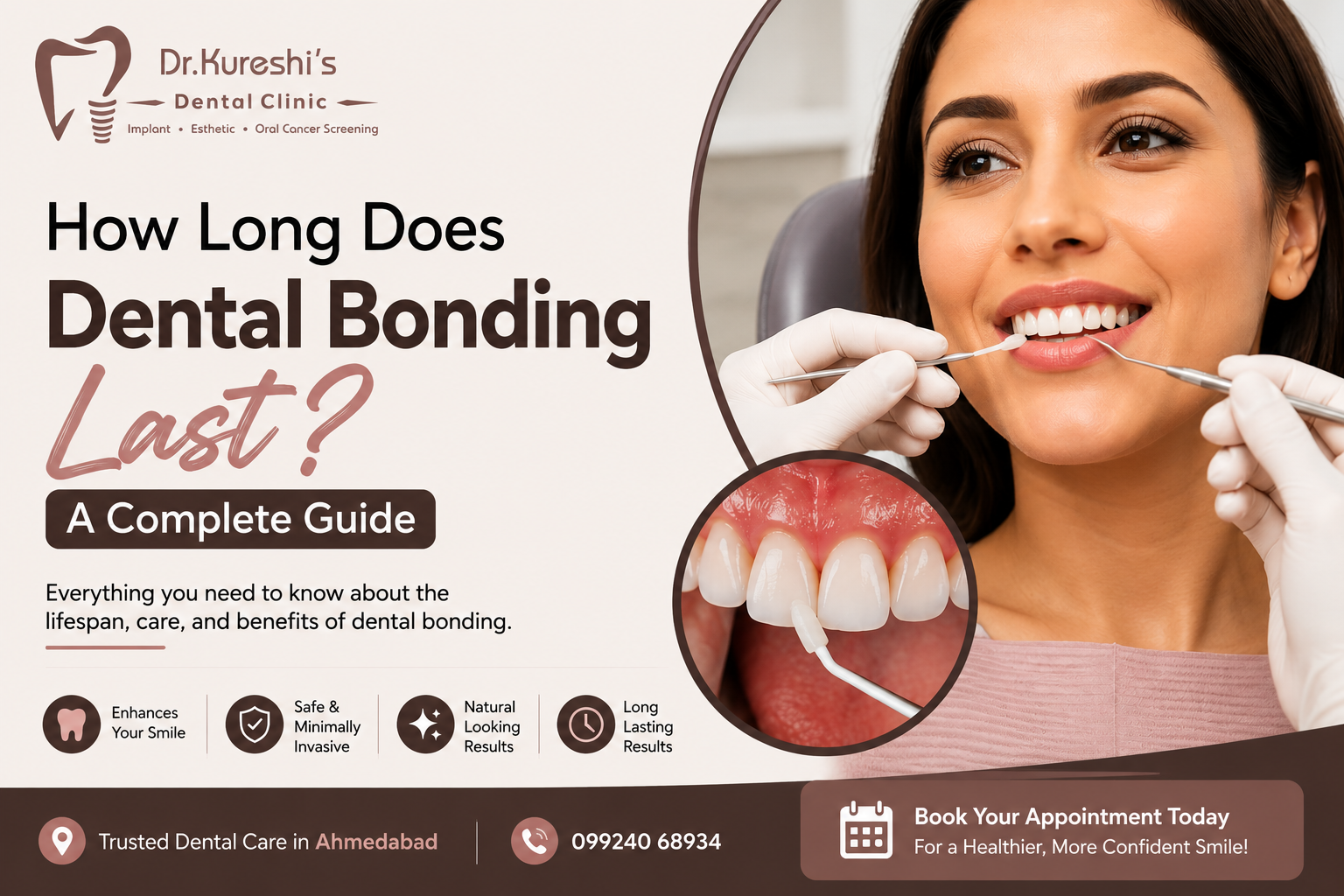
Dental bonding is a popular cosmetic dental treatment for improving the appearance of chipped, cracked, discolored, uneven, or slightly damaged teeth. It uses a tooth-colored composite resin that is carefully applied, shaped, and hardened over the tooth to create a natural-looking result.
But one of the most common questions patients have before choosing treatment is: How long does dental bonding last?
In general, dental bonding can last around 3 to 10 years, depending on factors such as the location of the bonded tooth, your bite, oral hygiene, eating habits, teeth grinding, and the quality of the treatment. With proper care and regular dental checkups, you can help your bonding remain functional and attractive for many years.
If you are considering Dental Bonding in Ahmedabad, understanding its expected lifespan and how to maintain it can help you make a more informed decision.
What Is Dental Bonding?
Dental bonding is a minimally invasive cosmetic dental procedure that uses a tooth-colored composite resin to improve the shape, size, color, or appearance of a tooth.
During Tooth Bonding Treatment, the dentist selects a composite resin that closely matches the natural color of your tooth. The tooth surface is prepared so the material can adhere properly. The composite is then applied, shaped, and hardened using a special curing light before being polished for a natural-looking finish.
Dental bonding can be used for several cosmetic concerns, including:
- Small chips or cracks
- Minor gaps between teeth
- Slightly uneven teeth
- Discolored teeth
- Short or worn-looking teeth
- Minor changes to tooth shape
- Small cosmetic imperfections
Because it generally requires little tooth preparation, dental bonding is often considered a conservative option within cosmetic dentistry.
How Long Does Dental Bonding Last?
Dental bonding typically lasts 3 to 10 years, although some patients may need repairs or replacement sooner, while others may enjoy longer-lasting results.
The lifespan of bonding depends largely on where it is placed and how much stress it experiences. For example, bonding on a front tooth may experience less chewing pressure than bonding on a tooth that is regularly used to bite and chew harder foods.
The material itself is durable, but composite resin is not as resistant to wear and staining as natural tooth enamel or some other restorative materials. This is why proper care and regular dental visits are important.
If you are considering Dental Bonding Ahmedabad services, your dentist can assess your teeth, bite, and cosmetic goals to determine whether bonding is an appropriate long-term option for you.
7 Factors That Affect How Long Dental Bonding Lasts
Several factors can influence the durability of composite dental bonding.
1. Location of the Bonded Tooth
The location of the tooth can have a significant effect on how long bonding lasts.
Bonding on front teeth is often used for cosmetic improvements such as repairing small chips, closing minor gaps, or changing tooth shape. Back teeth, however, can experience greater chewing forces.
If a bonded tooth is exposed to considerable pressure regularly, the composite may be more likely to wear or chip over time.
2. Your Bite and Jaw Pressure
Your natural bite also matters.
If your teeth place excessive pressure on the bonded area, the composite material may experience additional stress. Patients who clench or grind their teeth may also place more pressure on bonded teeth.
During your consultation, your dentist can evaluate your bite and identify factors that could affect the longevity of the treatment.
3. Quality of Composite Resin
Composite resin is available in different formulations and qualities. Selecting an appropriate material is important for achieving a good balance between appearance, strength, and durability.
The dentist also needs to choose a shade that blends naturally with the surrounding teeth and apply the material correctly.
4. Dentist’s Technique and Experience
The longevity of dental bonding isn’t determined only by the material. Proper treatment technique also matters.
The process involves several important steps, including:
- Preparing the tooth surface
- Selecting the appropriate shade
- Applying the bonding material
- Carefully shaping the composite
- Properly curing the material
- Checking the bite
- Finishing and polishing the restoration
Careful attention to each step can contribute to a more natural-looking and durable result.
5. Oral Hygiene
Good oral hygiene helps protect both your natural teeth and bonded areas.
Brush your teeth regularly with a soft-bristled toothbrush, clean between your teeth, and maintain regular dental checkups. Although bonding itself cannot develop cavities, the natural tooth around or underneath the restoration can still be affected by plaque and decay.
6. Eating and Lifestyle Habits
Certain habits can shorten the lifespan of dental bonding.
Repeatedly biting hard objects or foods can put unnecessary stress on the composite. Habits such as chewing ice, biting pens, or using your teeth to open packages can increase the risk of chipping.
Composite resin can also become stained over time, particularly with frequent exposure to staining foods, beverages, or tobacco.
7. Teeth Grinding and Clenching
Bruxism, or habitual teeth grinding and clenching, can place considerable pressure on bonded teeth.
If you grind your teeth while sleeping or regularly clench your jaw, talk to your dentist. Depending on your situation, a protective night guard may be recommended to help reduce stress on your teeth and dental restorations.
How Can You Make Dental Bonding Last Longer?
With proper care, you can help extend the lifespan of your Tooth Bonding Treatment.
Here are some practical tips:
- Brush twice a day and clean between your teeth regularly.
- Avoid chewing ice or other extremely hard objects.
- Don’t use your teeth to open packages or bottles.
- Be careful when eating very hard foods.
- Limit habits that may stain the composite.
- Avoid smoking or tobacco products.
- Visit your dentist regularly for checkups.
- Discuss a night guard with your dentist if you grind or clench your teeth.
- Contact your dentist if you notice a chip, rough edge, or change in the appearance of the bonding.
Regular maintenance doesn’t guarantee that bonding will last for a specific number of years, but it can help reduce avoidable damage and maintain its appearance.
Does Dental Bonding Stain or Change Color Over Time?
Yes. Composite resin can become discolored over time.
Unlike natural enamel, composite bonding does not respond to conventional teeth whitening in exactly the same way. Frequent consumption of coffee, tea, certain foods, and tobacco can contribute to surface staining.
Good oral hygiene and professional cleaning can help maintain the appearance of bonded teeth. In some cases, polishing may improve minor surface discoloration. If the bonding has become significantly discolored or damaged, your dentist may recommend replacing it.
This is one reason why discussing your lifestyle and cosmetic expectations with your dentist is important before choosing Cosmetic Dental Bonding Treatment.
What Happens If Dental Bonding Chips or Breaks?
Although dental bonding is designed to be durable, it can occasionally chip, crack, or become detached.
If this happens, don’t try to repair the area yourself. Contact your dentist for an evaluation.
Depending on the extent of the damage, the dentist may be able to:
- Repair the affected area
- Add new composite material
- Reshape and polish the bonding
- Replace the bonding completely
- Recommend another treatment if the underlying tooth also needs attention
A small chip doesn’t necessarily mean that the entire restoration needs to be replaced.
Is Dental Bonding a Good Option for You?
Dental bonding can be a suitable option for people who want to address relatively minor cosmetic imperfections without extensive tooth preparation.
It may be considered for:
- Chipped front teeth
- Small gaps
- Slightly uneven teeth
- Minor discoloration
- Changes in tooth shape
- Small cosmetic imperfections
- Teeth that appear shorter due to minor wear
However, bonding isn’t the right solution for every dental concern. Patients with extensive damage, significant tooth weakness, severe discoloration, or particular bite problems may benefit from other treatment options.
A dental examination is the best way to determine whether Cosmetic Bonding Services in Ahmedabad are appropriate for your specific needs.
Dental Bonding vs. Other Cosmetic Dental Treatments
Dental bonding is one of several options available in cosmetic dentistry.
| Treatment | Commonly used for | Tooth preparation | Typical durability |
|---|---|---|---|
| Dental Bonding | Minor cosmetic corrections and small chips | Minimal | Around 3–10 years |
| Veneers | More extensive cosmetic changes | Varies | Often longer-lasting |
| Crowns | Damaged or weakened teeth | More extensive | Often longer-lasting |
These are general comparisons rather than guarantees. The most suitable treatment depends on your dental condition, desired result, bite, oral habits, and long-term expectations.
Why Choose Professional Dental Bonding in Ahmedabad?
Choosing an experienced dental professional is important when you want your bonding to look natural and perform well.
A professional Dental Bonding service in Ahmedabad can involve more than simply placing composite resin on a tooth. Your dentist may consider:
- The natural shade of your teeth
- Tooth shape and proportions
- Your smile line
- Your bite
- The amount of composite required
- The position of the tooth
- Your overall cosmetic goals
At Dr.Kureshi’s Dental Clinic, patients can discuss their concerns and treatment expectations with a dental professional before deciding whether bonding is appropriate for their smile.
Frequently Asked Questions About Dental Bonding
How many years does dental bonding usually last?
Dental bonding commonly lasts around 3 to 10 years. Its actual lifespan depends on factors such as the location of the tooth, bite pressure, oral hygiene, eating habits, teeth grinding, and the quality of the treatment.
Does dental bonding need to be replaced?
It may eventually need repair or replacement if it becomes chipped, worn, damaged, or significantly discolored. Regular dental examinations can help identify when maintenance or replacement may be appropriate.
Can dental bonding last 10 years?
Yes, dental bonding can last around 10 years in suitable circumstances. However, there is no guaranteed lifespan because individual habits, bite forces, tooth location, and maintenance all affect durability.
Does dental bonding stain?
Composite bonding can stain over time. Coffee, tea, tobacco, and other staining substances may affect its appearance. Good oral hygiene and professional dental care can help maintain the result.
Is tooth bonding painful?
Dental bonding is generally a minimally invasive procedure. Many patients do not require anesthesia when the treatment is limited to cosmetic bonding, although the need for anesthesia depends on the individual tooth and treatment.
Can I eat normally after dental bonding?
In most cases, patients can return to normal eating after treatment. However, it is sensible to avoid habits such as chewing ice or biting extremely hard objects, which can damage the composite.
Is dental bonding better than veneers?
Neither treatment is universally better. Dental bonding may be suitable for smaller cosmetic changes with minimal tooth preparation, while veneers may be considered for more extensive cosmetic transformations. Your dentist can recommend an option based on your specific needs.
How much does dental bonding cost in Ahmedabad?
The cost of dental bonding can vary depending on the number of teeth being treated, the complexity of the case, the amount of composite required, and other treatment factors. A consultation with a dentist is the best way to receive an individualized estimate.
Get Dental Bonding Treatment in Ahmedabad
Dental bonding can be an effective option for improving minor cosmetic imperfections while preserving much of the natural tooth structure. With proper treatment and good oral care, bonding can provide attractive results that may last for several years.
If you are considering Tooth Bonding Treatment in Ahmedabad, consult a dental professional to understand whether composite bonding is suitable for your teeth, smile goals, and lifestyle.
Dr.Kureshi’s Dental Clinic can help you explore your options for dental bonding and other cosmetic dental treatments. Schedule a consultation to discuss your smile concerns and find a treatment approach suited to your needs.